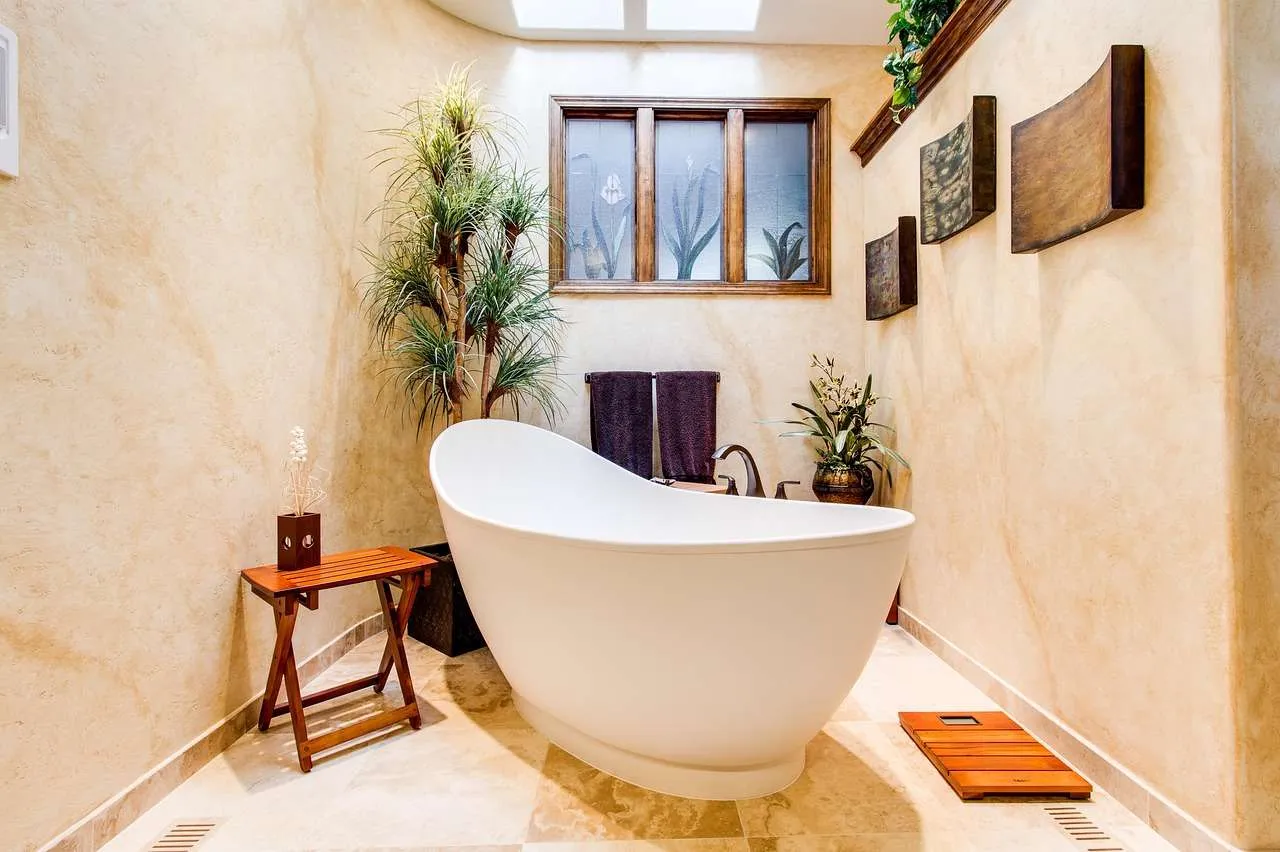
As a seasoned interior design and SEO-focused content strategist, I understand how to craft small bathroom ideas that maximize function while preserving style. In compact spaces, every choice matters—from layout to lighting, storage, and materials. This guide delivers practical, proven techniques rooted in design best practices and real-world results, aligning expertise with reliable, trustable guidance to help you optimize a small bathroom with confidence.
Smart layouts for small bathrooms
Layout is the foundation of a functional small bathroom. A long, narrow plan benefits from a wall-hung vanity placed toward the door to create a sense of arrival, while a compact or corner sink can free precious floor space. Consider a walk-in shower in place of a tub to visually expand the room, and opt for a frameless or clear-glass door to maintain openness. If possible, install a pocket door or a barn-style sliding door to avoid door swing collisions in tight spaces.
- Choose wall-hung or pedestal fixtures to maximize floor visibility.
- Prioritize a shower over a tub to maximize usable space.
- Use doors that don’t swing into the room, such as pocket doors.
Lighting and mirrors to brighten a small bath
Light is your best ally in a small bathroom. Layered lighting, including ceiling ambient, task lighting around mirrors, and subtle cove lighting, creates depth. A large mirror or mirrored medicine cabinet doubles the perceived space, reflecting light and expanding the room. For energy efficiency and longevity, choose LED fixtures with a color temperature in the cool white range (around 3000–4000K).
Storage solutions that save space
Storage should be integrated, vertical, and out of sight where possible. Recessed niches in the shower and walls create storage without reclaiming square footage. Floating vanities with slim drawers keep essentials organized while showing more floor. Consider tall, slim cabinets or built-in nooks above the toilet for seasonal items. Use attractive yet compact baskets or pull-out organizers inside vanity compartments to maintain order.
- Recessed medicine cabinets with built-in outlets are ideal for small baths.
- Over-toilet storage or a slim cabinet utilizes vertical space.
- Shower niches reduce clutter and keep bottles off the tub edge.
Color, materials, and finishes
Light colors and reflective surfaces visually expand a space. Soft neutrals with a glossy or semi-gloss finish bounce light and are easier to maintain. If you introduce color, do so with strategic accents rather than large surfaces to avoid a crowded feel. Consistency in materials—such as matching tile, countertop, and fixture finishes—creates a cohesive, calm environment. When selecting flooring, choose slip-resistant textures that resemble the wall color or mirror the room’s overall tone for a unified look.
Fixtures and fittings for efficiency
Compact fixtures designed for small bathrooms help maintain flow. Look for a dual-flush toilet and a compact wall-mounted sink or corner basin. A frameless glass shower enclosure reduces visual mass and opens sightlines. Matte black, brushed nickel, or polished chrome finishes can anchor the room without overpowering it. For accessibility and safety, consider lever handles, grab bars, and a non-slip floor surface integrated into the design.
Budgeting and planning
Effective small bathroom projects begin with accurate measurements, a clear plan, and a realistic budget. Start with a detailed floor plan, then map plumbing and electrical lines to minimize costly changes. Prioritize storage and lighting upgrades that deliver the biggest impact per dollar. If you’re remodeling, obtain quotes from licensed professionals and confirm permit requirements in your area. A phased approach—focusing on layout, then fixtures, then finishes—can keep a project on track and within budget.
Comparison: practical options for small bathrooms
| Option | Pros | Cons | Best For |
|---|---|---|---|
| Wall-Hung Vanity + Floating Shelves | Feels airier; easier cleaning; creates extra floor space | Requires sturdy wall framing; may increase upfront cost | Powder rooms or narrow baths with tall ceilings |
| Walk-In Shower with Frameless Glass | Maximizes perceived space; minimal visual clutter | Requires careful waterproofing; potential splash on nearby areas | Narrow or long bathrooms needing openness |
| Pocket Door or Sliding Door | Full door opening; no swing space required | Higher installation complexity and cost | Bathrooms with tight doorway or adjacent cabinetry |
When designing small bathroom ideas, think in layers: layout first, then light, storage, and finishes. Each choice should support a calmer workflow, easier maintenance, and a visually spacious feel. By combining smart layouts with vertical storage, reflective finishes, and compact fixtures, you can achieve a bathroom that reads larger than its actual footprint while remaining highly functional.
Conclusion, adopting these small bathroom ideas will help you maximize space without sacrificing comfort or style. Prioritize a practical layout, integrate hidden or recessed storage, choose bright, consistent finishes, and select efficient fixtures. With careful planning and attention to detail, even the smallest bathroom can feel open, organized, and welcoming.