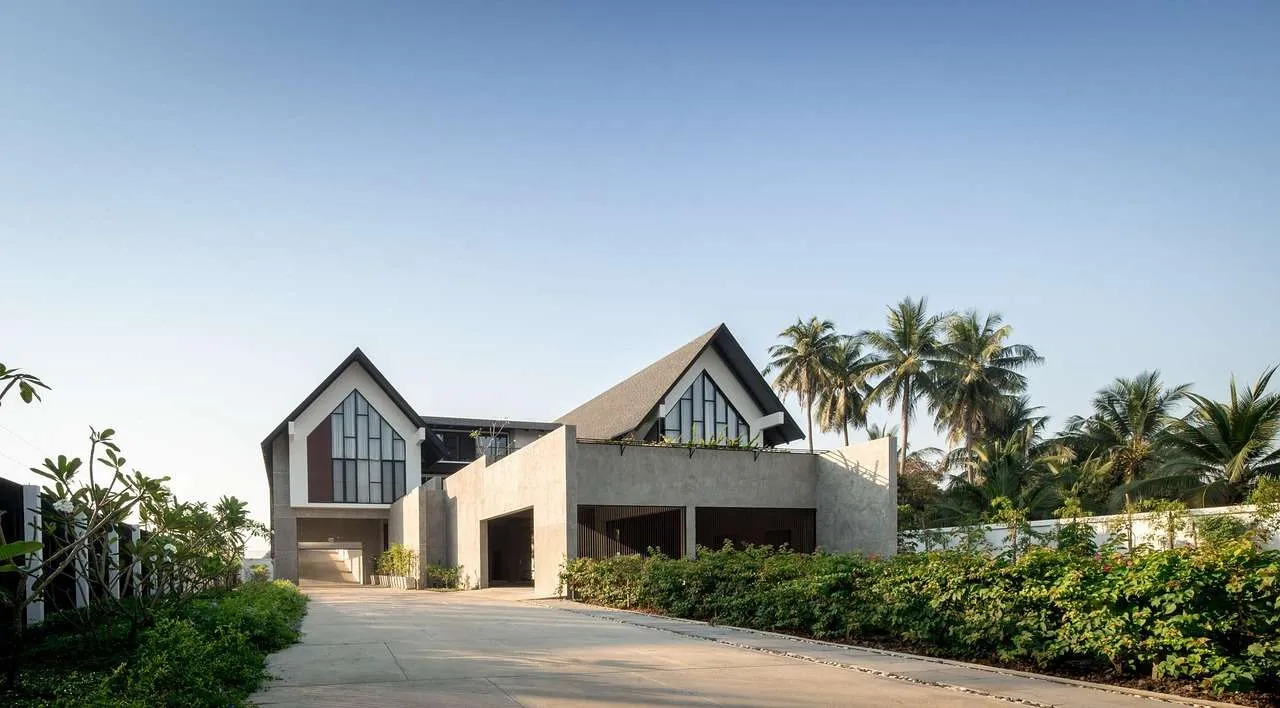
Your roof protects your home from weather and protects family and belongings. A solid roofing system adds energy efficiency and value. For most homeowners, the right approach to roofing and roof repairs is to rely on licensed professionals who can assess conditions, provide written estimates, and ensure workmanship warranties. This guide shares expert insight into identifying problems, choosing a contractor, and maintaining your roof for years to come.
Understanding Roofing and Roof Repairs
Roofing refers to the system of layers that shield the home from rain, wind, sun, and snow. Roof repairs are targeted fixes for leaks, damaged flashing, or worn components. When done correctly by qualified roofers, repairs extend the roof life, reduce interior damage, and protect insulation and ventilation. The terms roofing and roof repairs cover both the initial installation and the ongoing care that keeps the system performing as designed.
Common roof problems that require repairs
Typical issues include leaks from flashing joints, damaged shingles, exposed underlayment, ice damming in cold climates, and clogged gutters that cause water to back up under the shingles. Unattended problems often escalate into structural damage, mold growth, and higher energy costs. Understanding these problems helps homeowners plan timely repairs and avoid emergency calls.
Signs you need roof repairs
Look for visible leaks on ceilings after rain, stained or warped drywall, and shingle granules in gutters. Dark streaks on walls, musty attic air, and increased attic temperature may indicate ventilation or insulation issues linked to roof damage. If you notice loose or missing shingles after a storm, contact a professional promptly.
How to choose a roofing contractor
Expert selection hinges on credentials, experience, and reputation. Verify license and insurance, request written estimates, and check references or online reviews. A credible contractor offers a detailed scope of work, a realistic timeline, and clear warranty terms for both labor and materials.
What to ask before signing a contract
Ask about the roof type and materials used, the expected lifespan of the repair, and how weather will be managed during the project. Inquire about permits, disposal, site protection, and the contractors response to potential problems that may arise during repair.
The roof repair process
Most projects begin with a thorough inspection and a written assessment. A licensed roofer will identify the source of the leak, determine the necessary repairs, and provide a cost estimate. Work typically includes removing damaged sections or flashing, resealing joints, and reattaching shingles. After completion, professional cleaners remove debris and verify that ventilation and insulation are intact.
Materials, costs, and when to repair vs replace
Common materials include asphalt shingles, metal panels, and tile in select homes. Costs vary by material, roof size, and accessibility. Repairs are appropriate for localized damage or minor wear, while extensive age or widespread damage may justify replacement to avoid repeated repairs. A professional assessment helps determine whether repair or replacement offers better long term value.
Maintenance tips to extend roof life
Schedule annual inspections, especially after heavy storms. Keep gutters clean and free of debris, trim branches that overhang the roof, and ensure attic insulation reduces heat buildup. Promptly address leaks and consider protective coatings in regions with severe weather.
Repair vs Replacement: Quick comparison
| Aspect | Roofing Repairs | Roof Replacement |
|---|---|---|
| Cost | Moderate to high for localized fixes | Higher initial investment |
| Lifespan after work | Typically 5 to 15 years depending on reinforcement | 30 to 50 years depending on materials |
| Disruption | Low to moderate | Higher disruption and time |
| When to choose | Localized damage or old but repairable roof | Extensive damage, age over 20 years, or repeated repairs |
Conclusion, addressing roofing needs with careful inspection, professional repairs when viable, and ongoing maintenance to protect your home and investment. By choosing a licensed contractor, understanding options, and scheduling regular checks, homeowners reduce risk and extend roof life.