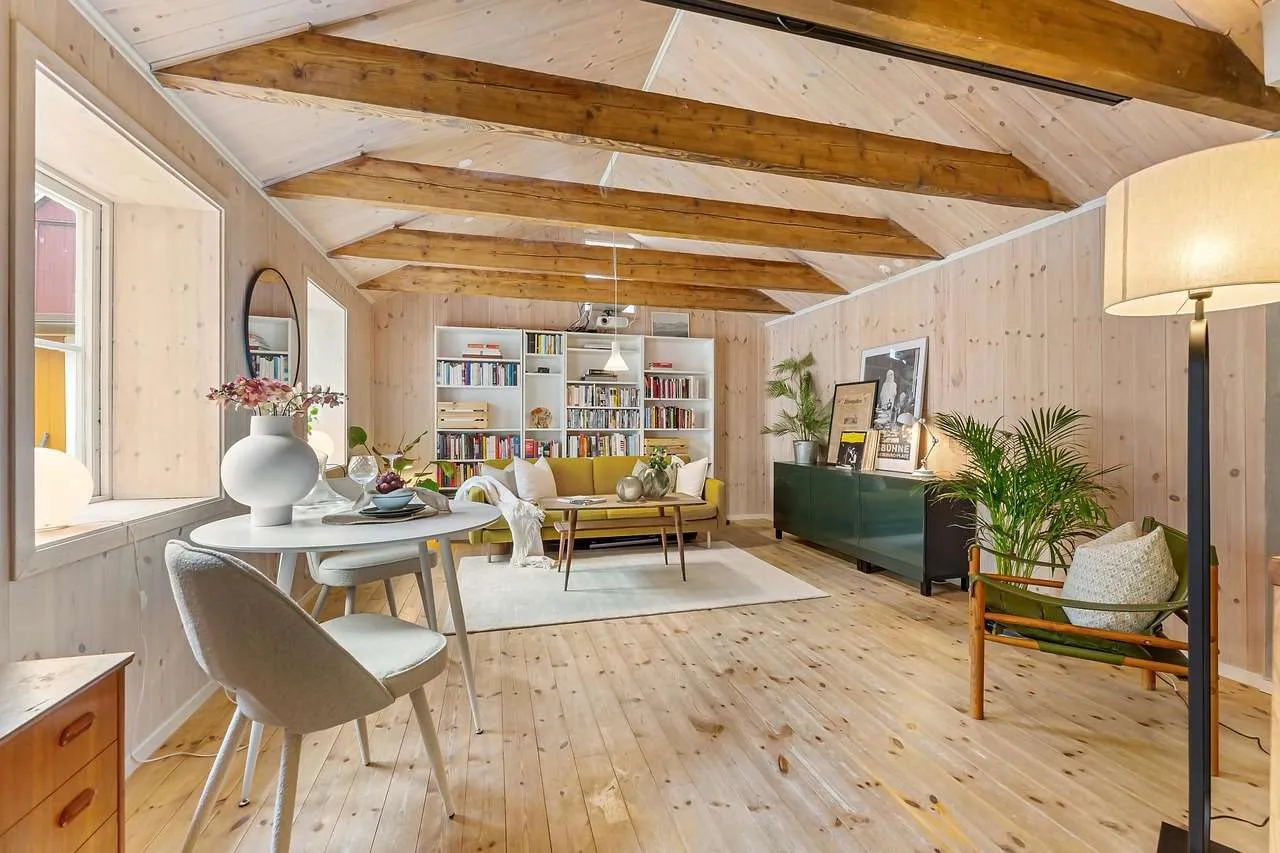
What is Home Window Tinting?
Home window tinting involves applying a specialized film to the interior or exterior of residential windows. This film serves multiple purposes such as reducing heat, minimizing glare, enhancing privacy, and protecting interiors from harmful UV rays. With technological advances, window tinting for homes has become an affordable and effective solution to improve comfort and efficiency.
Top Benefits of Home Window Tinting
- Energy Efficiency: Window tinting reduces solar heat gain, helping lower cooling costs during hot months.
- UV Protection: High-quality films block up to 99% of harmful UV rays, preventing furniture and flooring from fading.
- Enhanced Privacy: Privacy films limit outside visibility during the day without blocking natural light.
- Glare Reduction: Reduces glare on screens and reflective surfaces, improving indoor comfort.
- Safety and Security: Some films hold shattered glass together in case of breakage, adding a layer of safety.
Popular Types of Residential Window Tinting Films
| Type of Film | Primary Benefits | Ideal Use | Average Cost per Sq Ft |
|---|---|---|---|
| Solar Control Film | Reduces heat and glare, improves energy savings | Sun-exposed windows in living rooms, kitchens | $8 - $12 |
| Privacy Film | Blocks visibility from outside, preserves daylight | Bathrooms, bedrooms, and street-facing windows | $7 - $10 |
| Security Film | Shatter resistance and added safety | Ground floor windows, doors prone to break-ins | $12 - $20 |
| Decorative Film | Enhances aesthetics with patterns or frosted finish | Privacy and design accents in living spaces | $10 - $15 |
How to Choose the Right Window Tint for Your Home
Selecting the best home window tint depends on multiple factors:
- Purpose: Are you focused on energy savings, privacy, or safety? Define your goals first.
- Window Orientation: South and west-facing windows benefit most from solar control films.
- Local Climate: Regions with intense sunlight gain more from reflective and heat-blocking films.
- Budget: Consider upfront cost versus long-term savings and durability.
- Appearance: Choose between clear, tinted, or decorative films based on your preference.
Professional Installation vs. DIY Window Tinting
Although DIY window tint kits are widely available, professional installation offers significant advantages:
- Precision: Experts ensure smooth, bubble-free application that lasts.
- Warranty: Professional tints usually come with manufacturer and installer warranties.
- Customization: Professionals can recommend and tailor the best film for your home’s unique needs.
- Tools and Materials: Proper cutting, cleaning, and installation tools contribute to optimal results.
DIY methods may save money initially but could lead to peeling, bubbles, or premature failure.
Maintenance and Longevity of Home Window Tints
Proper care of window tinting films prolongs their life and performance. Here are maintenance tips:
- Clean the tinted windows gently using a soft cloth and a mild, ammonia-free cleaner.
- Avoid abrasive tools or harsh chemicals that can damage the film.
- Inspect for any peeling or damage regularly and address issues promptly.
- Most window tints last between 10 and 15 years when properly maintained.
Summary: Why Choose Home Window Tinting?
Home window tinting is an effective way to enhance your household’s comfort, privacy, safety, and energy efficiency. With various film types available—including solar control, privacy, security, and decorative options—you can select the perfect solution tailored to your specific needs and budget. Professional installation ensures high-quality results, while simple maintenance prolongs the lifespan of the window film. Investing in home window tinting not only reduces energy bills but also protects your interiors and adds value to your property.