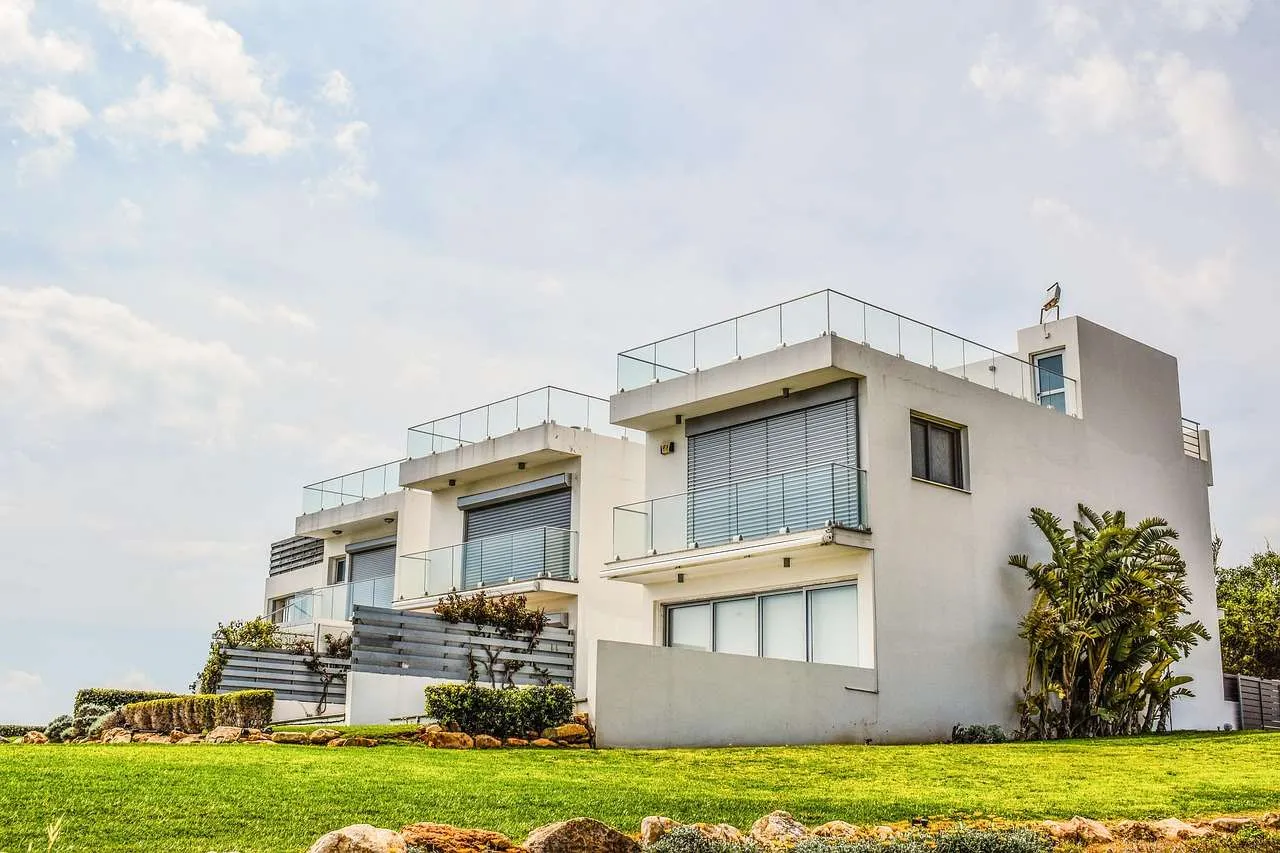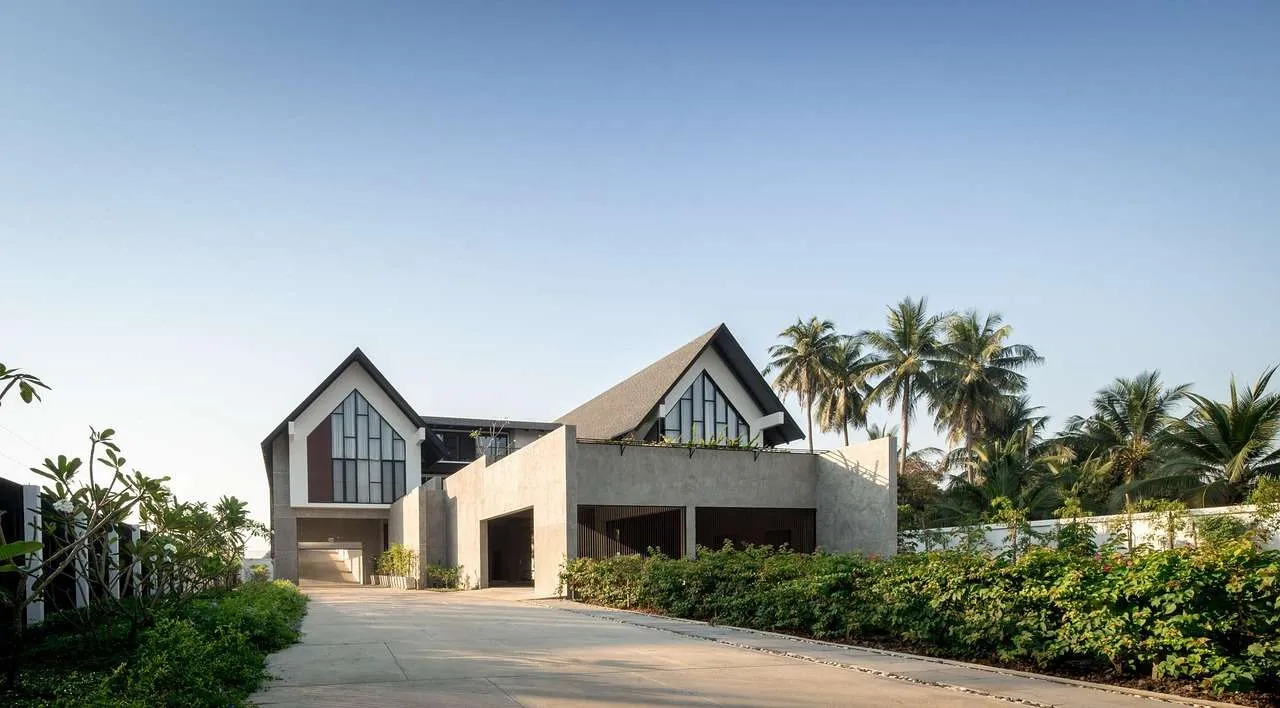
EPDM roofing is a durable synthetic rubber membrane widely used on flat and low-slope roofs. Known for its resilience, cost-effectiveness, and long service life, EPDM roofing has become a trusted choice for homes and commercial buildings alike.
What is EPDM roofing?
EPDM stands for ethylene propylene diene monomer, a synthetic rubber that forms a flexible, waterproof layer. Membranes are available in black and white options. Typical thickness ranges from 45 mil to 60 mil for standard applications, with 30 mil used in some light-load situations. Installation methods include mechanically attached, fully adhered, and ballast systems, chosen based on climate, substrate, and local codes. The material''s elasticity accommodates seasonal movement without cracking, making it ideal for roofs with occasional ponding and temperature swings.
Key benefits
- Durability against UV, ozone, and temperature extremes when properly installed.
- Long lifespan typically 30 to 50 years with regular maintenance.
- Excellent resistance to ponding water and wind uplift on flat roofs.
- Cost-effective material with straightforward installation and repair options.
- Low weight and broad compatibility with insulation, flashings, and deck membranes.
Materials and installation options
Sheet EPDM membranes are common for larger roofs, with widths up to 20 or 40 feet in a single sheet. Liquid EPDM coatings can seal irregular shapes and penetrations, creating a seamless membrane. Black membranes absorb heat, which can assist in colder climates and reduce initial heating load on a new roof, while white or light-colored EPDM reflects sunlight to improve energy efficiency in hot climates. As with any roofing project, surface preparation and proper seam sealing are critical, and professional installation helps ensure warranty coverage.
Choosing the right system
Sheet vs liquid EPDM
Sheet EPDM provides proven performance, faster installation on large flat areas, and easier field repairs using patch kits. Liquid EPDM creates a seamless coating that can adapt to complex details but requires strict cure times and compatible primers and rollers. The choice depends on roof geometry, climate, and the contractor''s experience, with both options delivering reliable protection when correctly applied.
Cost considerations and maintenance
Initial cost per square foot for EPDM tends to be lower than many alternatives, but total price reflects roof size, deck condition, and labor. A typical installed range is from about 0.80 to 1.50 per square foot for standard membranes, plus flashing and insulation costs. Maintenance includes annual inspections, prompt sealant and flashing repairs, and keeping drains free of debris to prevent ponding. Regular cleaning with non-abrasive detergents and gentle rinsing helps extend life and maintain reflective properties if using white EPDM.
Comparison table: EPDM vs other membranes
| Material | Typical installed cost per sq ft | Lifespan | Energy performance | Maintenance |
|---|---|---|---|---|
| EPDM roofing | 0.80–1.50 | 30–50 years | Moderate to good; white variants improve reflectivity | Low to moderate |
| TPO | 1.50–3.50 | 20–30 years | Excellent reflectivity | Moderate |
| Modified bitumen | 1.00–4.00 | 20–30 years | Moderate | Moderate |
Common problems and best practices
Common EPDM issues include seam failures, punctures, or flashing damage. Regular inspections (twice yearly), prompt resealing of joints, and timely puncture repairs extend life. Avoid sharp objects on the surface, and use protective pads for heavy equipment. Choose a contractor with proven experience and warranties to ensure long-term performance and to uphold EEAT principles of safety, accountability, and quality workmanship.
Environmental impact and expert recommendations
EPDM is recyclable and often produced with lower embodied energy than some alternatives. White EPDM reflects heat, contributing to energy savings in hot climates, while black EPDM is robust in cooler areas. For best results, hire a contractor with recognized credentials and ensure warranties and maintenance guidelines are clearly documented and accessible.
Summary, EPDM roofing provides durable performance for flat roofs, with a long lifespan, cost-effectiveness, and flexible installation options. Proper professional installation, routine maintenance, and timely repairs protect the investment and meet EEAT standards for safety and reliability.